Are Kenyan Parents Paying Too Much for Free Education in Kenya?
While the government promises free primary and subsidized junior secondary education, Kenyan parents still face a mountain of hidden levies. This guide breaks down what you are actually paying for and how to demand transparency.
Every year, the government of Kenya announces billions of shillings in capitation funds sent to public schools. The message to the public is always clear: basic education is free, and no child should be turned away for lack of school fees. Yet, if you walk into any Kenyan household with school-going children, the reality on the ground tells a completely different story.
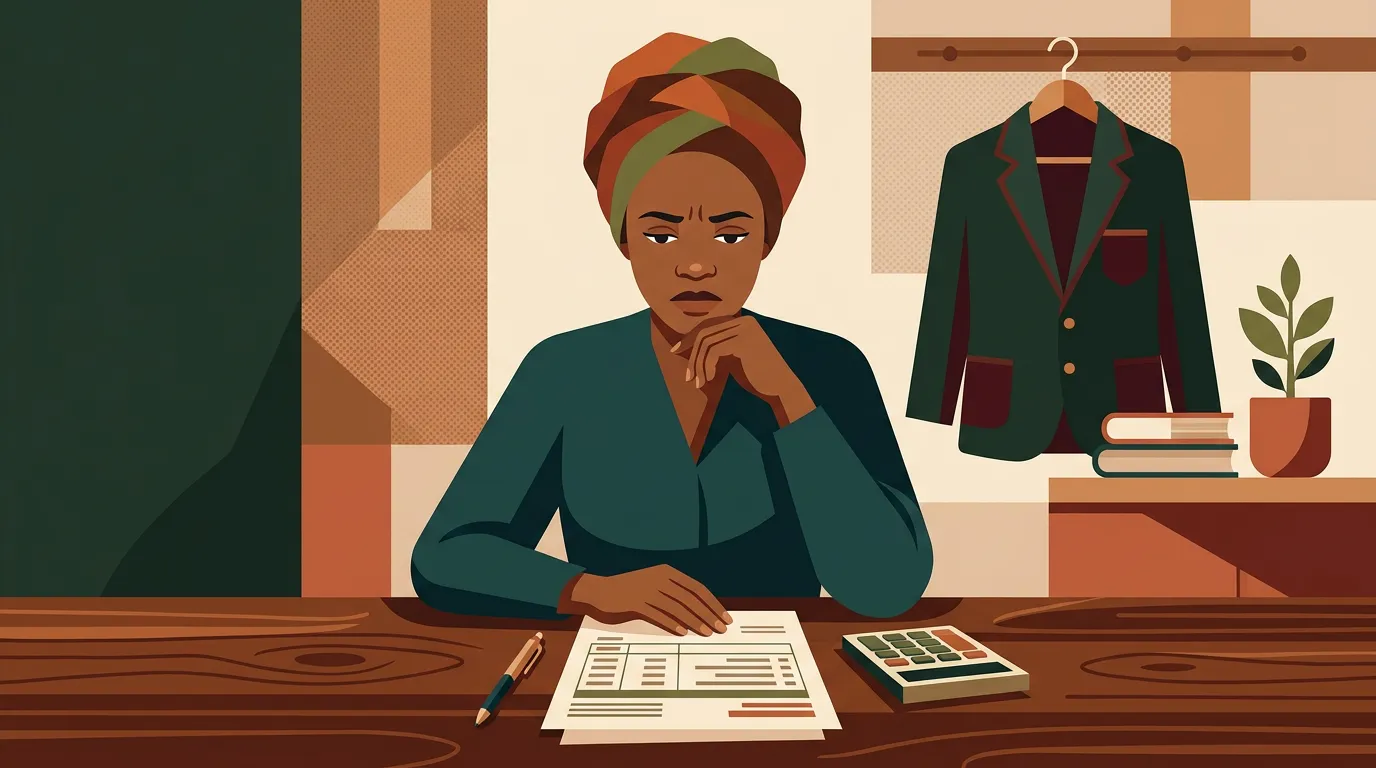
Parents are constantly receiving text messages, handwritten notes, and WhatsApp notifications demanding money. There are charges for school lunches, motivation fees for teachers, remedial classes, exam printing, school bus maintenance, infrastructure development, and even security. For many families, the cost of keeping a child in a "free" public school has become a heavy financial burden that rivals the fees of some low-cost private academies.
This disconnect raises a fundamental question: are Kenyan parents paying too much for an education that is legally supposed to be free? To answer this, we must look beyond the official pronouncements and examine the actual costs of running a school in Kenya today, the gap left by government funding, and how parents can navigate these financial demands without compromising their children's education.
What "Free Education" Actually Covers
To understand why schools ask for money, we must first look at what the government actually pays for. Under the Free Primary Education (FPE) and Free Day Secondary Education (FDSE) programs, the government sends a specific amount of money per learner directly to school bank accounts. This is known as capitation.
This capitation is strictly divided into different votes. It is meant to cover instructional materials like textbooks, exercise books, chalk, and teacher guides, as well as operational costs like water, electricity, minor repairs, and administrative expenses.
| Education Level | Official Government Promise | What It Is Supposed to Cover |
|---|---|---|
| Primary School (Grade 1-6) | Fully free education under FPE. | Basic textbooks, stationery, utility bills, and administrative support. |
| Junior Secondary (Grade 7-9) | Subsidized day school capitation. | Laboratory equipment, textbooks, teacher guides, and basic operations. |
| Senior Secondary (Grade 10-12) | Subsidized tuition for day scholars. | Tuition costs, while parents pay for boarding, meals, and uniform. |
On paper, this system should work. However, the reality is that capitation funds are frequently delayed, sometimes by several months. When the money does arrive, it is often less than the promised amount due to budget cuts or administrative bottlenecks. This leaves school heads in a desperate position: either shut down operations or find alternative ways to raise funds from parents.
How Parents Can Ask the Right Questions
Many parents pay these fees in silence because they fear their children will be targeted or disadvantaged. However, as a parent, you have a legal right and a responsibility to understand where your hard-earned money is going. Schools belong to the community, and transparency is key to their success.
Here is a practical checklist of questions you should ask during PTA meetings or when presented with a new fee demand:
- Is this levy approved? Ask the administration to show the official approval letter from the County Education Board for any development or operational levy.
- Where are the PTA minutes? Any new fee must be discussed and voted on by parents. Request to see the minutes of the meeting where the levy was approved, including the attendance register.
- Can I get a formal receipt? Never pay any school levy in cash without receiving an official, serialized receipt from the school accounts office. Avoid sending money directly to individual teachers' personal mobile numbers.
- Are there alternative options? For lunch programs or remedial classes, ask if there are day-scholar options that allow your child to eat at home or study independently without facing academic penalties.
Finding a Balanced Path Forward
It is easy to blame school heads for charging extra fees, but we must acknowledge the difficult environment they operate in. Running a school with hundreds of children requires constant resources. When government funds are delayed or insufficient, school administrations face genuine operational crises.
The solution is not a blanket refusal to support our schools, but a demand for absolute transparency and accountability. Parents are often willing to contribute to their children's well-being when they can see exactly how their money is being used to improve learning outcomes.
By actively participating in PTA meetings, questioning suspicious levies, and holding school boards accountable, Kenyan parents can help bridge the funding gap without being exploited. Education is a shared responsibility, and our children deserve a system that is both high-quality and genuinely accessible.