Is Exam Pressure Quietly Returning Under Kenya’s CBC System?
CBC was meant to reduce exam obsession, but many families now feel familiar pressure returning through KPSEA, school rankings, tuition, and constant revision.
When Kenya introduced the Competency-Based Curriculum, one of the biggest promises was a healthier approach to learning. Children would no longer be judged mainly by one final exam. Schools would focus on skills, creativity, collaboration, problem-solving, and continuous growth. For many parents, that sounded like a welcome break from the anxiety of the old 8-4-4 system.
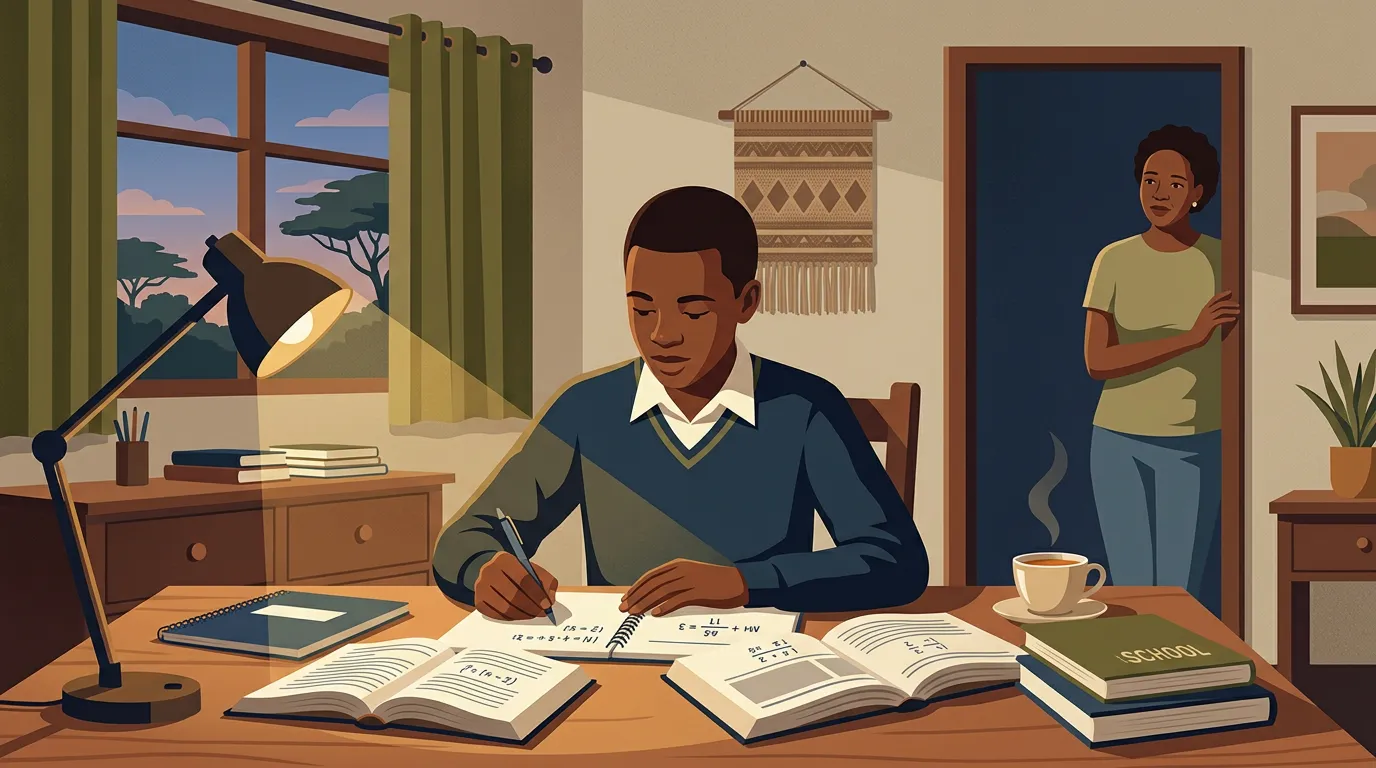
Yet in many homes today, the old pressure feels as if it is slowly returning under new names. Grade 6 learners worry about KPSEA. Parents compare school performance in WhatsApp groups. Some schools quietly rank learners. Tuition teachers advertise "CBC exam preparation" packages. Homework, revision papers, holiday assignments, and assessment drills are becoming part of everyday family life again.
This does not mean assessment is bad. Children need feedback, and parents need to understand academic progress. The problem begins when preparation turns into fear, when every activity becomes a test, and when children begin to believe that their worth depends on a score. The question parents must ask is simple but urgent: are we rebuilding the same exam culture CBC was supposed to change?
What CBC Was Supposed to Change
CBC was designed around competencies, not memorized facts alone. Instead of asking whether a child can reproduce notes exactly as taught, the curriculum asks whether they can apply knowledge in real situations. A learner should be able to communicate clearly, solve problems, create, collaborate, and reflect on their own learning.
This is why CBC uses continuous assessment, projects, oral presentations, practical tasks, and learner portfolios. A child’s progress is supposed to be observed over time. Teachers are meant to notice strengths and gaps early, then support the learner before the gap becomes a crisis.
The original spirit of CBC is not "no assessment." It is better assessment. A child should be evaluated in a way that helps them improve, not in a way that labels them as a failure at ten or eleven years old.
In theory, this approach should reduce pressure. In practice, many schools and parents still operate with the old mindset. If a task is graded, it becomes a race. If there is a national assessment, it becomes a high-stakes exam. If another parent mentions their child’s score, the comparison begins immediately.
Where the New Exam Pressure Is Coming From
Exam pressure is not caused by one policy or one assessment. It builds slowly from many small sources. Parents may not even notice it until their child becomes anxious, exhausted, or resistant to learning.
KPSEA uncertainty
Many parents still do not fully understand how KPSEA affects placement, progression, or future opportunities. Uncertainty creates anxiety, and anxiety often turns into extra drilling.
School competition
Even when ranking is discouraged, schools still want to show parents that they are performing. This can lead to frequent tests, mock exams, and pressure on teachers to produce visible results.
Tuition culture
The private tuition market responds quickly to parental fear. Once parents believe their child is falling behind, they look for evening, weekend, and holiday tuition, even when the child needs rest.
Parent comparisons
A casual conversation about marks can quickly create pressure. When parents compare children publicly, learners begin to associate love and approval with performance.
Healthy Preparation vs Harmful Pressure
Parents do not have to choose between caring about academics and protecting a child’s emotional health. The key is knowing the difference between structured preparation and fear-driven pressure.
| Healthy Preparation | Harmful Pressure |
|---|---|
| Short, regular revision sessions with breaks. | Long study hours that remove rest, play, and sleep. |
| Focusing on specific learning gaps. | Repeating papers endlessly without understanding mistakes. |
| Encouraging effort, strategy, and improvement. | Shaming the child for low scores or comparing them with siblings. |
| Talking with teachers about support plans. | Adding tuition before understanding the real cause of struggle. |
Watch for stress signals
Frequent headaches, stomachaches, sleep problems, crying during homework, anger, withdrawal, and fear of school can all be signs that academic pressure has crossed a healthy line.
What Parents Can Do Differently
Parents have more influence than they realize. A calm home can protect a child from unhealthy school pressure, while an anxious home can magnify it. Your words, routines, and reactions shape how your child interprets academic challenges.
- Ask what they understood, not only what they scored. This shifts attention from performance to learning.
- Protect sleep and play. A tired child does not learn better. Rest is part of academic success, not a reward after success.
- Avoid public comparisons. Do not compare your child’s scores with cousins, neighbors, siblings, or classmates.
- Use teacher feedback wisely. Ask the teacher which exact skill needs support instead of assuming the solution is more tuition.
Protect the Spirit of CBC
CBC will only deliver its promise if schools and parents resist the temptation to turn it into the old exam system with new vocabulary. Assessment should help children grow. It should not make them afraid of learning.
Kenyan parents can care deeply about academic performance while still protecting joy, curiosity, rest, and confidence. These are not soft extras. They are the conditions under which real learning happens.
The goal is not to remove all pressure from children. Some challenge is healthy. The goal is to make sure the pressure builds responsibility rather than fear. If we get that balance right, CBC can still become the learner-centered system it was meant to be.