
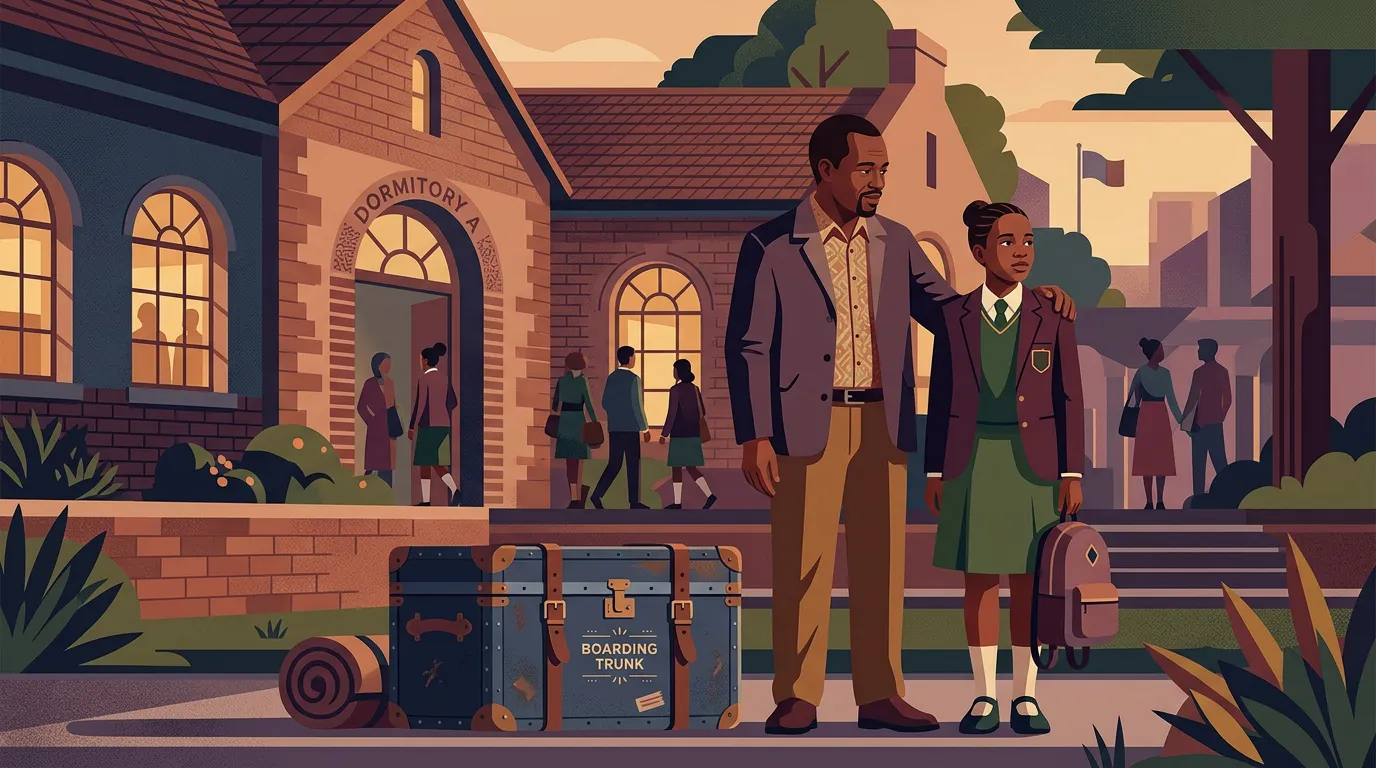
Should Kenyan Children Still Go to Boarding School So Young?
Boarding school remains one of the biggest education decisions Kenyan parents make. The right choice depends on age, emotional readiness, school culture, safety, and the child’s personality.
Boarding school has long carried a special kind of prestige in Kenya. Many parents grew up believing that a serious student belongs in a boarding environment, away from distractions, television, household chores, and neighborhood peer pressure. For some families, a boarding school admission letter still feels like proof that a child is on the right academic path.
Yet the conversation is changing. More parents are asking whether children, especially those in upper primary and junior secondary, are emotionally ready to live away from home for months at a time. Stories of bullying, harsh discipline, poor hygiene, homesickness, and limited communication have made families rethink a decision that was once taken for granted.
The honest answer is that boarding school is neither automatically good nor automatically harmful. It can offer structure, academic focus, and independence. It can also expose a child to emotional stress if the school environment is poorly supervised or if the child is not ready. Parents need a balanced framework for making the decision, not pressure from relatives, neighbors, or school marketing brochures.
Why Parents Still Choose Boarding School
Boarding school solves real problems for many Kenyan families. In rural areas, the nearest good school may be far from home, requiring long and unsafe daily commutes. In urban areas, traffic can steal hours from a child’s day, leaving them exhausted before homework even begins.
Working parents also face practical difficulties. If both parents leave early and return late, they may worry that the child is unsupervised after school. Boarding appears to provide structure, meal routines, study time, and adult supervision throughout the day.
Academic focus
A structured school day can create regular prep time, peer motivation, and fewer household distractions.
Predictable routine
Boarding schools often follow strict schedules for meals, study, sports, sleep, and worship.
Independence
Children learn to manage belongings, follow routines, and relate with peers outside the comfort of home.
These benefits are real, but they are not guaranteed. A school can have a good name and still have weak dormitory supervision. A child can be academically bright and still emotionally unprepared for separation. That is why the decision must be child-specific.
The Risks Parents Should Not Ignore
The biggest mistake parents make is assuming that academic discipline automatically equals child wellbeing. A child may bring home good marks while silently struggling with fear, isolation, bullying, or emotional neglect. Young learners may lack the language to describe what is happening, so they express distress through withdrawal, anger, poor sleep, or sudden academic decline.
Do not dismiss repeated distress as weakness
If a child repeatedly cries before reporting day, complains of stomachaches, becomes unusually quiet, or begs not to return, investigate carefully. Some homesickness is normal, but persistent fear deserves attention.
Boarding also limits daily parent-child communication. In some schools, phone access is tightly controlled. This may protect learning time, but it can also make it hard for children to report problems early. By the time a parent discovers bullying or mistreatment, the child may have endured it for weeks.
Hygiene and health are another concern. Dormitories can be crowded. Children share bathrooms, bedding areas, dining spaces, and washing lines. A well-run boarding school has strict cleaning routines, medical records, sick bay procedures, and responsible house parents. A poorly run one leaves children vulnerable to infections, neglect, and avoidable discomfort.
Day School vs Boarding School
Parents often compare schools only by mean scores, fees, and reputation. A better comparison includes emotional, financial, and family-life factors. The table below can help you think beyond the brochure.
| Factor | Day School | Boarding School |
|---|---|---|
| Family connection | Daily contact allows parents to notice mood changes quickly. | Less frequent contact may build independence but can delay problem detection. |
| Academic structure | Depends heavily on home routines and parent supervision. | Prep time and study schedules are built into the school day. |
| Cost | Usually lower, but transport and meals can add up. | Higher because parents pay for boarding, food, personal items, and travel. |
| Emotional readiness | Better for children who need regular reassurance and gradual independence. | Works best for children who can communicate needs and manage separation. |
How to Know If Your Child Is Ready
Age matters, but maturity matters more. Some twelve-year-olds handle boarding responsibly, while some fourteen-year-olds struggle deeply. Before enrolling your child, observe their daily habits and emotional patterns.
- They can communicate discomfort clearly. A child should be able to explain when they are sick, scared, bullied, or confused without freezing or hiding the issue.
- They can manage basic personal care. They should know how to organize clothes, maintain hygiene, take prescribed medicine responsibly, and care for personal belongings.
- They recover from setbacks. A boarding environment requires resilience. If a child completely collapses emotionally after small conflicts, they may need more time at home.
- They understand boundaries. They should know how to say no, report inappropriate behavior, and seek help from trusted adults.
Make the Decision Around the Child
Boarding school can shape a child positively when the environment is safe, caring, and well-supervised. It can teach discipline, independence, and responsibility. But it is not a shortcut to academic success, and it should never be used as a way to outsource parenting.
Visit the school before admission. Ask about dormitory supervision, bullying policies, sick bay procedures, counselling, food quality, and communication with parents. Speak to current parents if possible. Watch how teachers and support staff interact with learners when they think nobody is observing.
Most importantly, listen to your child. The best school is not always the most famous one. It is the one where your child can learn, grow, stay safe, and remain emotionally connected to the people who love them most.